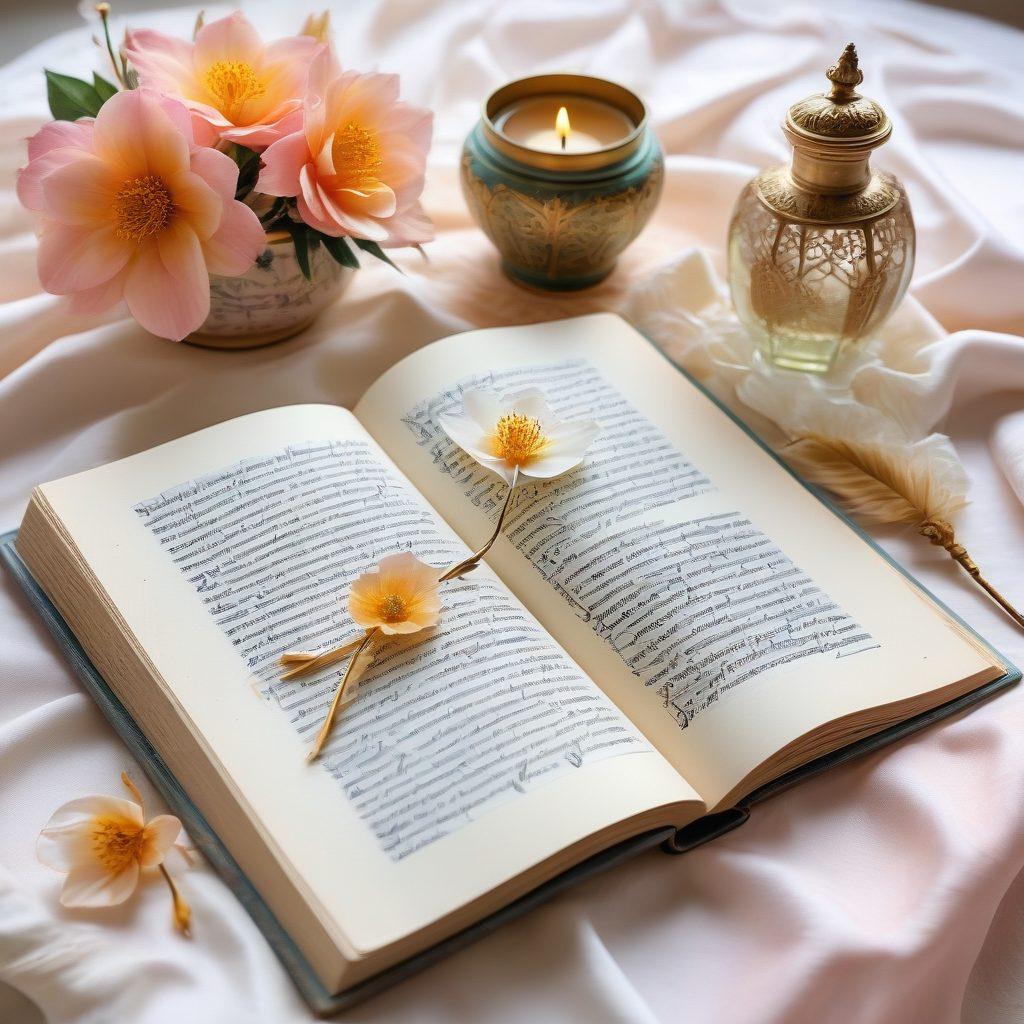
The Power of Words: Exploring Beautiful Adjectives to Elevate Your Descriptions
Have you ever been lost in a book or a conversation because the words used were simply too beautiful to resist? The magic lies in the elegant adjectives employed to breathe life into otherwise ordinary descriptions. Words have the power to transform simple phrases into rich tapestries of stunning imagery. But how do we harness this power? By mastering the craft of using pretty, alluring, and attractive adjectives, we can elevate our vocabulary to new heights. This enchanting ability to captivate an audience isn’t just for poets or novelists; anyone can learn to wield these potent descriptors effectively.
Consider the phrase, 'The garden was pretty.' Now, let's elevate it: 'The garden was a picturesque haven of stunning flowers, with every corner adorned by charming blossoms in gorgeous hues.' Can you feel the difference? The second description paints a vivid picture, adding layers of depth through carefully chosen adjectives. Adjectives like 'picturesque,' 'stunning,' 'charming,' and 'gorgeous' are not just eye-catching; they transform mundane statements into eloquent expressions of beauty. Elegant adjectives serve as the adornment and embellishment of language, making it more appealing and relatable.
Language is our most dynamic tool, and its beauty lies in the strength of its words. Adjectives function as our go-to qualifiers and modifiers, enhancing our capacity to describe with eloquence and finesse. When we delve into the lexicon of descriptors, we find a world where words like 'graceful,' 'lovely,' and 'alluring' convey not just appearance but emotion and ambiance. It's about more than adding fancy words to your terminology; it's about perfecting the art of expression. How else can we share the sensations of a 'breezy afternoon' or the sights of an 'eye-catching skyline'?
Crafting enchanting descriptions isn't just a linguistic exercise; it's an art form that lends poise to our communication. Think about how our daily interactions could change if we used adjectives more thoughtfully. From social media captions to personal essays, the subtleties of our language choices can render our words more effective and impactful. For example, calling a scene 'lovely' versus 'breathtaking' instantly evokes different levels of awe and wonder. By expanding our vocabulary and employing beautiful descriptors, we can turn every conversation, presentation, or piece of writing into a masterpiece.
The elegance of adjectives also lies in their versatility. They can make a character in a story more relatable, a setting more immersive, and a narrative more compelling. A 'charming' hero, a 'stunning' landscape, or a 'graceful' dancer remain etched in our minds. The power of these words isn't merely in their use but in their ability to engage the reader's imagination. So next time you’re tempted to use a simple adjective, pause and consider the infinite possibilities your vocabulary holds. Crafting enchanting descriptions with elegant adjectives is not just about good grammar and syntax; it's about bringing beauty and balance to your expressions and, ultimately, to your world.
From Ordinary to Extraordinary: How Beautiful Modifiers Transform Your Language
Have you ever wondered how some people can turn even the simplest sentences into literary masterpieces? The secret lies in their choice of words, particularly adjectives, which are the colorful embellishments in any language. From turning the mundane into the magnificent, beautiful modifiers can elevate your language from the ordinary to the extraordinary. Imagine the difference between calling a scene 'nice' versus 'picturesque'—the latter paints an image that the former simply cannot. So, how do these alluring descriptors transform our expressions?
Beautiful adjectives are like the jewelry of language; they are the elements that add sparkle and shine to our sentences. By using gorgeous, attractive, and charming adjectives, we can create vivid descriptions that captivate and enchant our audience. For instance, consider the difference between saying, 'She wore a dress' and 'She wore a stunning, elegant dress.' The addition of just two well-chosen adjectives elevates the imagery, making the description far more vivid and appealing.
Think about the role of adjectives in storytelling. These exquisite words act as valuable modifiers, providing depth and detail that make our narratives compelling. Imagine reading, 'The garden was beautiful' versus 'The garden was a picturesque paradise filled with lovely, charming blooms.' The second description not only paints a more detailed picture but also evokes emotions, making it clear that the garden is not just any garden—it's a stunning oasis of natural beauty. The careful choice of adjectives can make your readers feel like they are stepping into your world.
Let’s dive into the profound impact of adjectives on our expression and communication. A well-placed descriptor can transform an interaction—think 'an eye-catching presentation' versus just 'a presentation.' In professional settings, adjectives can be powerful tools for creating more persuasive and engaging communication, making your terminology impactful and your lexicon memorable. The grace and poise with which adjectives can turn a flat sentence into an eloquent phrase are almost magical.
Finally, it’s essential to recognize these descriptive adjectives as an integral part of not just effective communication but also of our overall linguistic style. Words like 'gorgeous,' 'graceful,' and 'elegant' are more than just decorative language; they contribute to the eloquence and poise of our expression. By expanding our vocabulary and incorporating more beautiful qualifiers into our language, we enrich our communication, making it as appealing and eye-catching as possible. So, next time you draft a message, remember: don’t settle for ordinary words when a world of extraordinary, stunning adjectives awaits.
The Art of Descriptive Eloquence: Mastering Stunning Adjectives for Maximum Impact
Have you ever found yourself at a loss for words when describing a breathtaking sunset or the enchanting smile of a loved one? It's in these moments that the power of words, particularly adjectives, comes into play. Whether you want to convey the shimmering beauty of a serene lake or the charming allure of a bustling market, mastering the art of descriptive eloquence can make all the difference. Adjectives are the seasoning in the feast of our language, transforming plain sentences into flavorful expressions that captivate and engage. They are the linchpin of powerful communication, enabling us to paint vivid pictures with our words and leaving an indelible impression on our audience.
Think of adjectives as the artist's brushstrokes in the mural of your narrative. Is your protagonist not just 'kind' but profoundly 'graceful' in their demeanor? Is the landscape not just 'scenic' but 'picturesque,' with each mountain peak standing bold and each valley lying coy? Attractive descriptors like 'elegant,' 'stunning,' and 'gorgeous' grasp the reader's imagination and pull them into the scene you're creating. Adjectors amplify the nuances of every noun they modify, wrapping your descriptions in layers of meaning and emotion. Integrating such qualifiers into your vocabulary can elevate your storytelling to new heights.
So, how can you incorporate these beautiful, charming adjectives into your writing seamlessly? Start by expanding your lexicon—keep a journal of attractive words you come across in your reading or conversation. Words like 'lovely,' 'charming,' and 'alluring' don't just replace simpler adjectives; they add depth and emotion to your expressions. Word choice plays a crucial role in shaping the semantics and syntax of your narrative style. Imagine describing a simple dress; calling it 'elegant' or 'graceful' transforms it from a mere garment into a visual metaphor that speaks volumes about the person wearing it. This choice of terminology can make your language vibrant and your descriptions profound.
Storytelling becomes a dance of eloquence when you master the use of stunning adjectives. Let's consider a scene: a writer might describe a garden not just as 'beautiful' but use a series of qualifiers to bring it to life. 'The garden was a gorgeous, elegant haven, filled with charming, lovely flowers whose picturesque blooms swayed gracefully in the soft, alluring breeze.' By weaving together these appealing descriptors, the garden is no longer a static image but a dynamic, living tapestry that engages all the senses. The descriptors themselves act as adornments, adding layers of interest and allure to your narrative.
Ultimately, the art of descriptive eloquence is about more than just pretty words; it's about creating a connection with your audience. When your vocabulary is rich and your phrases are eye-catching, you hold the reader's attention and evoke emotions that linger long after they've finished reading. Every word, every modifier serves a purpose in embellishing your narrative, making it memorable and impactful. In the realm of linguistics, the power of adjectives lies in their ability to make the ordinary seem extraordinary, giving your storytelling the poise and sophistication it deserves. So go on, delve into the enchanting world of adjectives and let their beauty transform your writing.